
AI RPG Generator
Start with a playable RPG example, or open the builder with a ready RPG prompt. Keep the first action simple: play, build, or copy a prompt style.
Example prompt
A fantasy RPG where a cursed cartographer maps a living dungeon, negotiates with rival guilds, and makes choices that change the final boss.
Play a generated story game first
Use the live game to judge pacing before you build your own RPG.
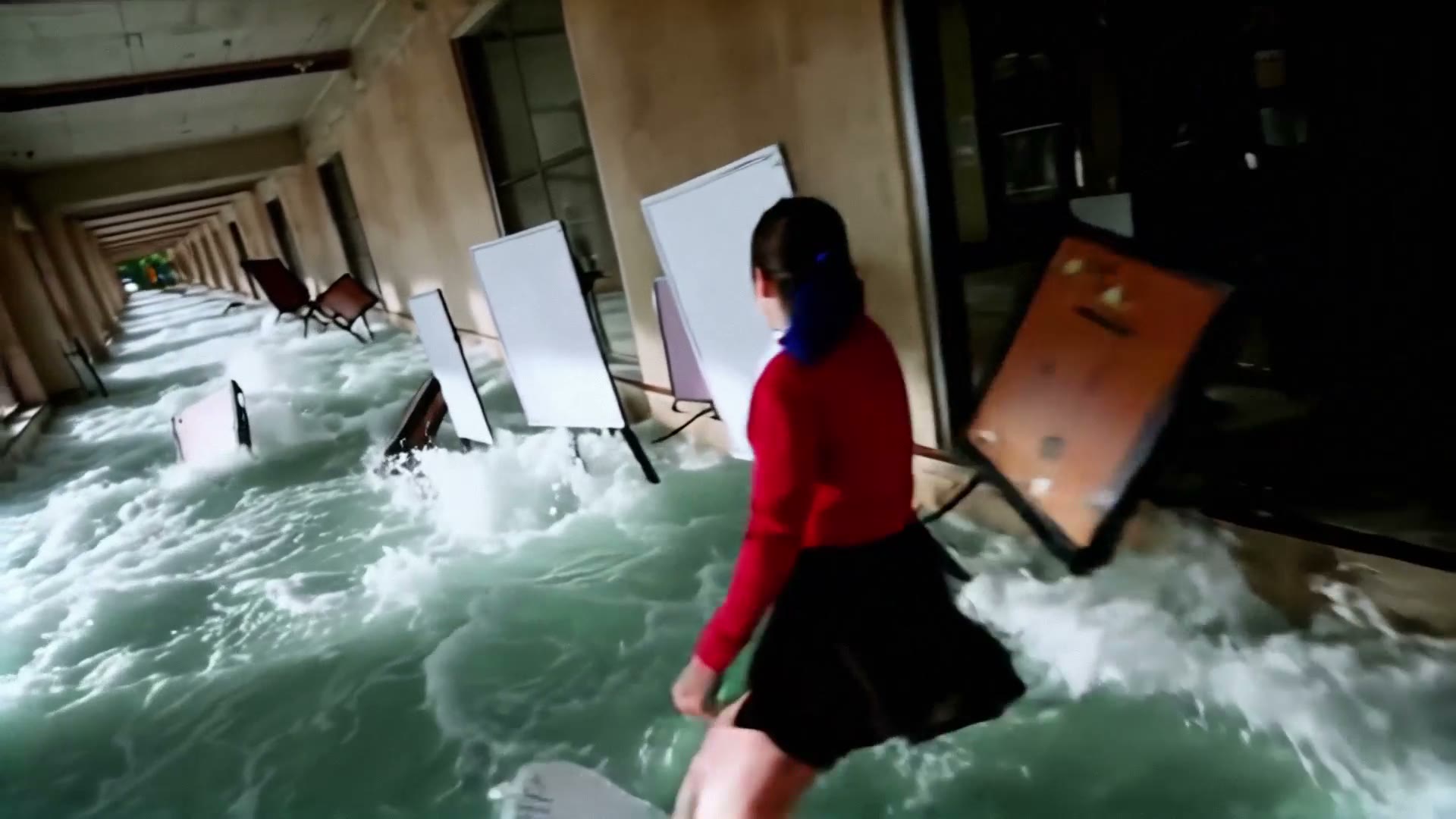
Imagination into Reality
High quality immersive games in minutes
Surf Adventure
MOVE
From Concept to Complete RPG
Creating traditional RPGs requires mastering complex game engines, designing intricate systems, balancing progression, writing extensive dialogue, and playtesting countless mechanics. A single professional RPG might take a team years to develop. Gameer condenses this into minutes by understanding what makes RPGs engaging and generating all those elements automatically.
Describe your RPG concept: "A dark fantasy RPG where players are monster hunters in a plague-ravaged kingdom" or "A space exploration RPG about a crew of misfits navigating political intrigue." The AI generates a complete game including: a richly detailed world with history and lore, memorable NPCs with personalities and quests, a character progression system with skills and abilities, an inventory system with weapons, armor, and items, branching quests with meaningful choices, and dialogue systems that respond to player decisions.
The AI understands RPG design principles: pacing progression so players feel constant growth, balancing challenge and reward, creating meaningful choices where different character builds offer distinct playstyles, designing quests with varied objectives beyond "kill X monsters," and weaving narrative elements throughout gameplay. Your generated RPG feels professionally designed because the AI learned from thousands of successful RPGs.
RPG Core Systems
- ⚔️Character Progression: Level systems, skill trees, attribute improvements, and specialization paths that let players build unique characters
- 🎒Inventory & Items: Weapons, armor, consumables, quest items, and equipment with stats, rarity tiers, and meaningful differences
- ⚔️Combat Mechanics: Strategic turn-based or real-time combat with abilities, tactics, and enemy variety that requires thought
- 📜Quest Systems: Main storyline quests, side missions, fetch quests, investigation quests, and optional content with varied objectives
World & Narrative
- 🌍Rich Worldbuilding: Detailed settings with history, cultures, factions, politics, and lore discovered through exploration and dialogue
- 👥Memorable NPCs: Characters with personalities, motivations, backstories, and relationships that evolve based on player interactions
- 💬Dialogue Trees: Conversational choices that affect relationships, unlock information, and open or close quest paths
- 🎭Branching Narratives: Player choices affect story outcomes, faction standings, character fates, and multiple possible endings
RPG Genres & Settings
⚔️ Fantasy RPGs
Medieval kingdoms, magic systems, dragons, dungeons, elves and dwarves, ancient prophecies, dark lords, heroic quests
🚀 Sci-Fi RPGs
Space exploration, alien civilizations, advanced technology, cyberpunk cities, AI companions, galactic politics, dystopian futures
🎭 Historical RPGs
Ancient Rome, feudal Japan, Viking age, Renaissance intrigue, Wild West, Victorian era, any historical period with period-accurate detail
🧛 Dark Fantasy
Gothic horror, monster hunting, cursed lands, moral ambiguity, survival elements, grim atmospheres, supernatural threats
🏙️ Urban Fantasy
Modern settings with magic, secret societies, supernatural creatures in cities, detective work, conspiracy, hidden magical worlds
🌟 Superhero RPGs
Powers and abilities, hero origins, fighting villains, moral dilemmas, team dynamics, secret identities, saving the world
The RPGs You've Always Wanted to Create
Every dungeon master has campaign ideas that never get built. Every game designer has RPG concepts that seem too ambitious. Every storyteller has worlds in their head that feel impossible to bring to life. Gameer makes the impossible possible—create the RPGs you've imagined without years of development or technical expertise.
Frequently asked questions
How does an AI RPG generator work?
Gameer's AI RPG generator uses sophisticated game design knowledge to create complete role-playing games from text descriptions. When you describe your RPG concept, the AI generates all core systems: a character progression system with meaningful growth and choices, an inventory system with varied items and equipment, quest structures with main storylines and side content, NPC characters with personalities and dialogue, combat mechanics balanced for challenge and engagement, and world lore that creates immersive settings. The AI understands RPG design patterns learned from analyzing successful games, ensuring generated content feels professionally designed rather than randomly assembled.
What RPG systems are generated automatically?
The AI generates comprehensive RPG systems including: character creation and customization, level-up and progression mechanics, skill trees and ability systems, inventory management with equipment slots, weapon and armor stats with meaningful differences, consumable items and their effects, quest logs and objective tracking, dialogue systems with branching conversations, NPC interaction and relationship tracking, combat mechanics (turn-based or real-time based on your concept), experience and reward systems, save/load functionality, and world exploration with locations to discover. These systems work together cohesively to create a complete RPG experience.
Can I create story-driven RPGs like classic JRPGs or WRPGs?
Absolutely! The AI excels at creating narrative-heavy RPGs in any style. For JRPG-style games (like Final Fantasy or Persona), the AI can generate: linear or semi-linear story progressions, character-focused narratives with party dynamics, turn-based combat systems, anime-inspired storytelling, and epic save-the-world plots. For WRPG-style games (like Baldur's Gate or The Witcher), it can create: open-world exploration, extensive player choice and consequence, morally gray decisions, faction systems, and branching storylines with multiple endings. Just specify your preferred style in your prompt.
How does quest generation work?
Quest generation is one of Gameer's most sophisticated features. The AI creates main storyline quests that drive the narrative forward with plot progression, side quests that flesh out the world and characters, fetch and collection quests, investigation and mystery quests, escort and protection missions, combat challenges, and exploration objectives. Each quest includes: clear objectives, appropriate rewards (experience, items, story progression), narrative context explaining why the quest matters, and consequences for success or failure. The AI ensures quest variety to prevent repetitive gameplay.
Can players customize characters and make build choices?
Yes! Character customization is central to RPG design, and the AI generates systems for: initial character creation (choosing class, attributes, background), level-up choices (allocating stat points, selecting skills/abilities), equipment customization (different weapons and armor with varied stats), specialization paths (skill trees that create distinct playstyles), and meaningful build diversity where different choices lead to genuinely different gameplay experiences. The AI balances these systems so all builds feel viable while offering distinct strategies and approaches to challenges.
How complex are the generated RPGs?
Complexity scales to your needs. You can create: short RPGs (1-2 hours) with focused stories and streamlined systems perfect for quick experiences, medium-length RPGs (5-10 hours) with substantial content and deeper mechanics, or epic RPGs (20+ hours) with extensive worlds, complex systems, and sprawling narratives. The AI can generate simple RPGs for casual players or complex ones with deep mechanical systems for hardcore RPG fans. Specify your desired scope in your prompt, and the AI adjusts complexity accordingly.
Can I edit and expand the RPG after generation?
Absolutely! After generation, you can modify any aspect through natural language commands: add new quests and storylines, create additional NPCs with unique personalities, design new items and equipment, adjust difficulty and balance, expand the world with new locations, modify character progression systems, change dialogue options, or add new abilities and skills. The AI maintains consistency across all changes, ensuring new content integrates smoothly with existing game elements. This allows iterative development where you can start with a core game and continuously expand it.
How do generated RPGs compare to professionally developed games?
AI-generated RPGs capture the essence of professional RPG design—meaningful progression, engaging quests, interesting characters, and strategic gameplay. While they may not match the hundreds of hours of content in massive commercial RPGs, they offer comparable design quality in terms of: system depth and balance, narrative quality and branching, character and world depth, and gameplay variety. They excel at creating focused, cohesive experiences. Think of them as professionally designed indie RPGs rather than massive AAA productions. The key advantage is creation speed: what might take a professional team months or years, you can prototype and iterate in hours.
Explore More
Story Game Maker
Turn your stories into playable interactive games
Educational Game Creator
Create engaging learning games for any subject
Educational Story Game Maker
Turn lessons into playable classroom story games
RPG Creator
Create story-rich roleplaying games with AI support
Interactive Fiction Maker
Build cinematic branching interactive fiction
Play Story Games Online
Free browser-based story games — no download needed
Horror Hub
Clustered horror picks with featured games and creator discovery
Mystery / Detective Hub
Cases, interrogations, and crime-thriller routes in one cluster