
Text to Game
Write the premise in plain language. Let Gameer shape it into a playable AI game with worlds, characters, choices, and consequences.
Play first. The details are below if you want them.
Play a featured game before you build
Watch the first moment, tap in, and see the payoff before you scroll into the creator workflow.
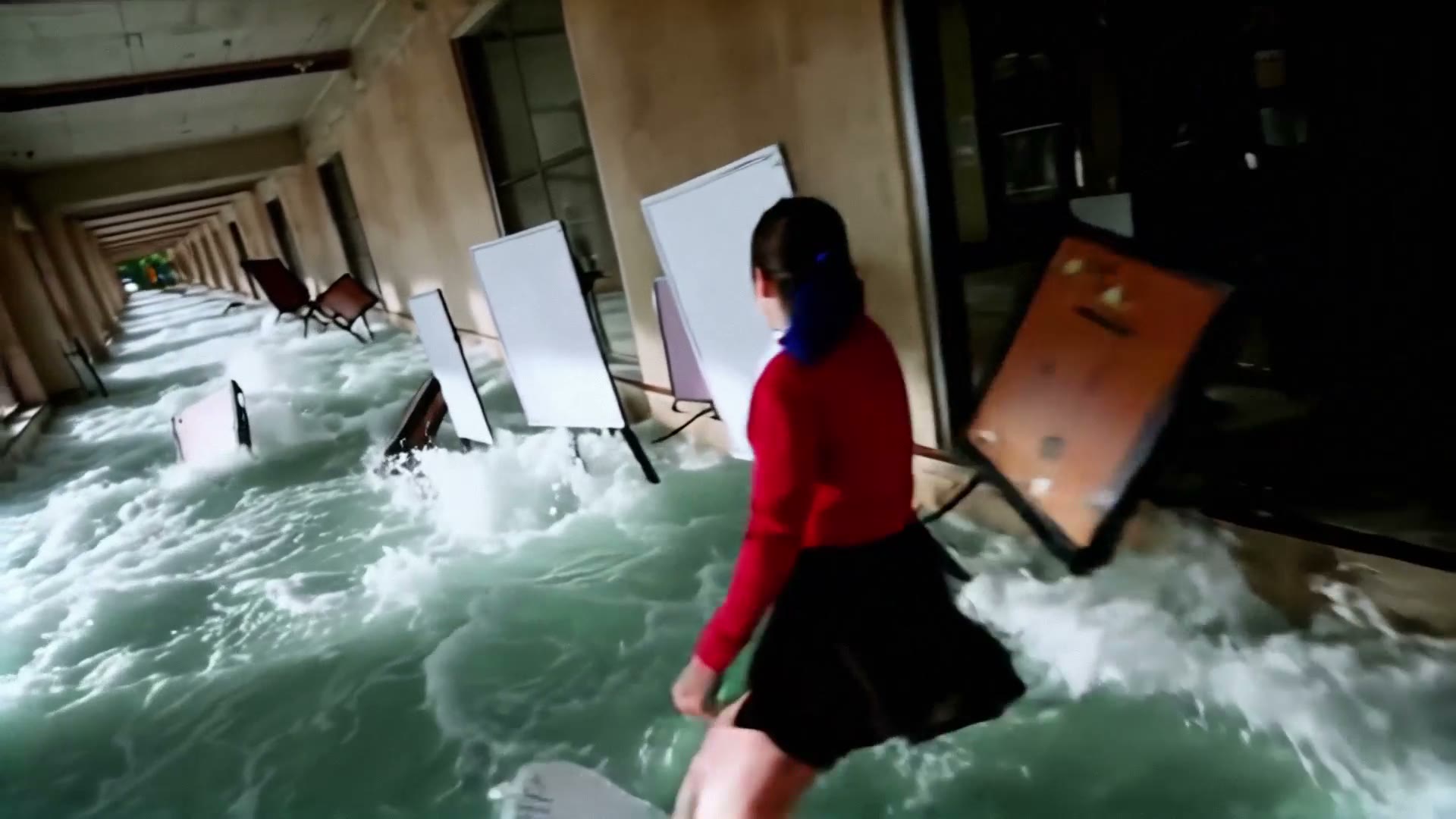
The appeal of text to game is simple: you already know how to describe ideas. Gameer uses that natural-language starting point to build an interactive experience around your setting, characters, mood, and player decisions.
Instead of translating your idea into design docs, systems, templates, and scene lists before anyone can test it, you can move directly from written concept to playable flow.
This is the higher-quality version of the text-to-game promise: not a pile of generated boilerplate, but a browser-playable prototype that helps you test the core loop, story hook, and player reactions.
Imagination into Reality
High quality immersive games in minutes
Surf Adventure
MOVE
What makes Gameer a fit
Natural-language input
Start from a paragraph, pitch line, classroom scenario, game jam idea, or prompt from ChatGPT, Claude, Perplexity, Gemini, Grok, or another LLM.
World, character, and quest structure
A written prompt can become a setting, cast, quest path, playable conflict, decision structure, and replayable ending instead of staying as static text.
Playable prototype payoff
Text becomes something players can watch, click through, share, and evaluate. That is the difference between generated content and a real game prototype.
Prompt ideas to try
Locked Theater Murder
"A rookie investigator must solve a murder before sunrise inside a locked theater."
Creates a clear countdown, a contained setting, and multiple suspect pathways.
Failed Jump Survivors
"A spaceship pilot must choose which survivors to save after a failed jump."
Supports emotionally difficult branching choices with high-stakes visual scenes.
Winter Siege Heirs
"Two rival heirs are forced to work together during a supernatural winter siege."
Strong fit for alliance dynamics, romantic tension, and multiple loyalty endings.
How to use Gameer for this workflow
Write your premise
Describe the setting, player role, and central conflict in plain language. A sentence or a full paragraph both work.
Shape the experience
Gameer interprets your text and generates scenes, choices, and branching paths around it.
Play and refine
Test the game, then revise the text or add follow-up prompts to tighten tone and pacing.
Best-fit use cases
Interactive mysteries
Interactive mysteries where a short prompt can turn into a playable chain of clues, reveals, and accusations.
Relationship-heavy stories
Relationship-heavy stories where dialogue choices and emotional tone matter as much as the plot.
Genre adventures
Fantasy or sci-fi adventures with strong settings that benefit from cinematic visual framing.
Scenario-based experiences
Scenario-based experiences for education, training, or interactive brand storytelling.
Prompt-to-world prototypes
World-building prompts where the location, factions, characters, and quest hooks need to become playable quickly.
LLM and GEO discovery traffic
Users coming from AI answers, forums, Reddit, Discord, or smaller search engines who need a direct tool to try, not another article.
Your text should become a playable result
Gameer turns written prompts into playable browser games with scenes, choices, characters, quests, mechanics, and branching endings. If you can describe the idea, you can start testing it through play.
Frequently asked questions
What does "text to game" mean in practice?
It means you start with writing, not code. Your prompt describes the premise, world, tone, player role, characters, goals, and mechanics, and the system uses that to generate a playable interactive structure.
Is text-to-game the same as prompt-to-world?
They overlap. Text-to-game focuses on turning a written prompt into gameplay. Prompt-to-world focuses on building the setting, factions, characters, quests, and atmosphere that make the game feel coherent. Gameer combines both ideas for story-driven browser games.
Do I need to write a perfect prompt?
No. A good starting prompt helps, but the workflow supports iteration. You can tighten the setting, stakes, and style over multiple passes.
Is text to game only good for short experiments?
It is excellent for rapid experiments, but it also works for polished short-form interactive experiences, especially in narrative-heavy genres.
Why use Gameer instead of a general-purpose writing model alone?
Because the goal is not only to write about a game. The goal is to generate something players can navigate, choose through, and replay.