
Turn History Into a Playable Game
Gameer helps you turn a historical moment into a browser-playable scenario with choices, tradeoffs, and alternate outcomes.
Play first. The details are below if you want them.
Play a featured game before you build
Watch the first moment, tap in, and see the payoff before you scroll into the creator workflow.
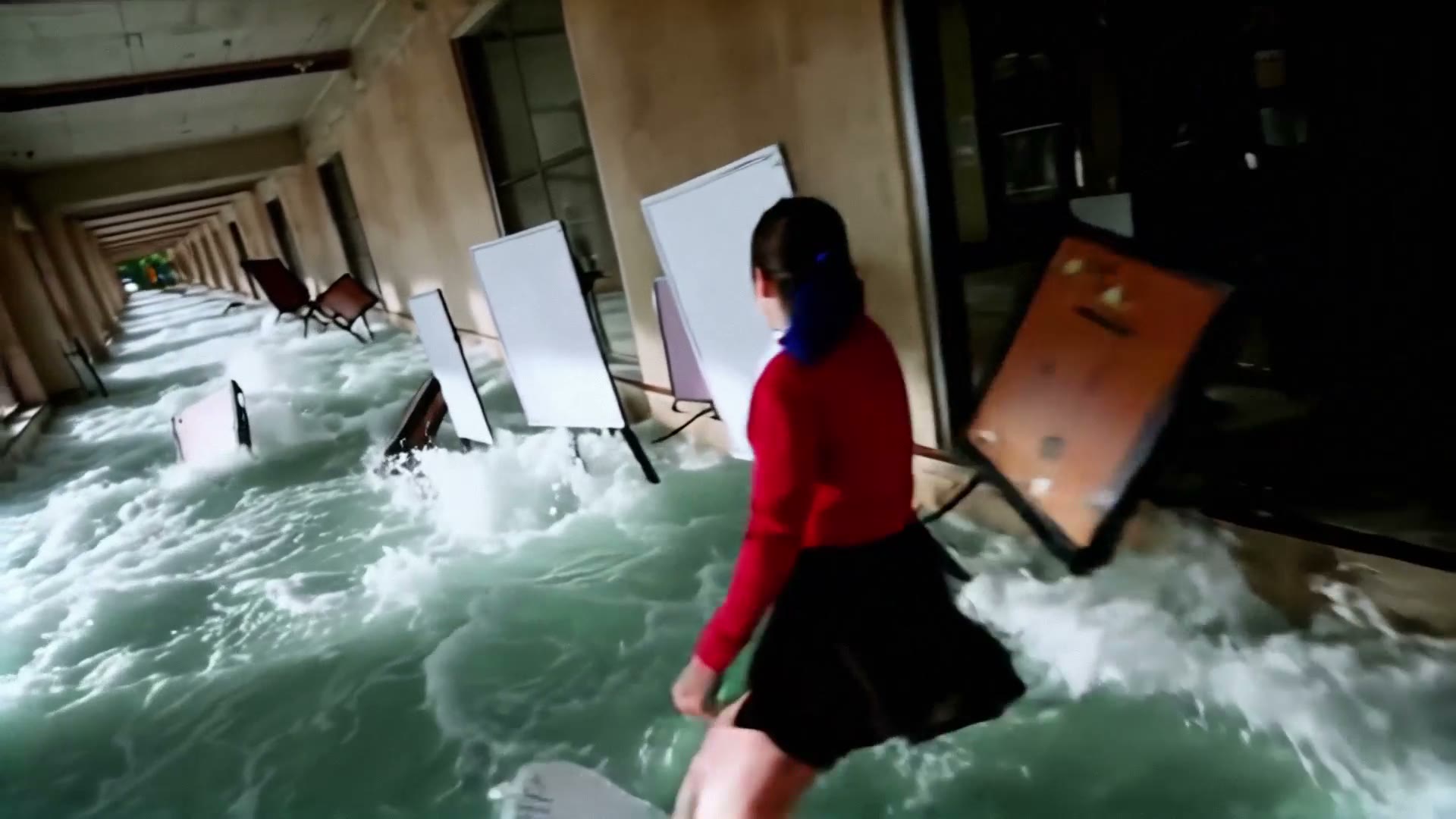
History is one of the best categories for AI-generated interactive games because the stakes are already real, the decision points are teachable, and the scenarios are easy to test in a browser.
Gameer is especially useful when the goal is to turn a lesson, assignment, or curiosity-driven topic into a playable scenario quickly enough for students or casual players to try it.
Imagination into Reality
High quality immersive games in minutes
Surf Adventure
MOVE
What makes Gameer a fit
Scenario-first learning
History works best when the player has to make decisions under pressure instead of only reading facts.
Browser delivery for schools
Gameer’s browser-first output makes it easier to share across laptops, Chromebooks, and classroom setups.
Fast iteration on lesson structure
You can change era, role, stakes, and consequence structure through prompts instead of rebuilding manually.
Prompt ideas to try
Ancient Rome courier
"A history game where the player delivers messages across Ancient Rome during a political uprising."
Strong for choice-driven history and civic tradeoffs.
Moon landing control room
"A playable scenario where the player must make mission-control decisions during the Apollo program."
Good for teamwork, timing, and consequence-based learning.
Revolutionary newspaper
"An educational game where the player decides which stories to print before a revolution escalates."
Works well for media literacy, ethics, and historical pressure.
How to use Gameer for this workflow
Choose the historical decision point
Pick a moment where the player role and consequence structure are easy to understand.
Generate the first scenario
Turn the lesson or event into scenes, choices, and immediate outcomes.
Refine for learning and replay
Adjust difficulty, clarity, and branching so the scenario is both engaging and teachable.
Best-fit use cases
Teachers on Chromebooks
Create playable history scenarios for classes without needing a game studio workflow.
Museum and education content
Turn informational exhibits or lesson plans into interactive browser experiences.
Student project prototyping
Let students build and share short historical games quickly.
Story-first learning
Use narrative tension and player choices to make historical tradeoffs memorable.
History sticks better when the player has to decide
Gameer helps history creators move from a lesson to an interactive scenario quickly. That makes it useful for education, museums, and prompt-first classroom experiments.
Frequently asked questions
Can I use Gameer for classroom history games?
Yes. Browser-based history scenarios are a strong fit, especially on laptops and Chromebooks.
What historical topics work best?
Topics with clear player roles and real decisions work best: diplomacy, crisis management, tradeoffs, and changing alliances.
Does the game need to be perfectly realistic?
No. The most important thing is whether the scenario helps the player understand the stakes and consequences.
Can students create their own history games?
Yes. The prompt-first workflow makes it much easier for students to create interactive scenarios without coding.